
Understanding the psychology behind risky bets in gambling
The Thrill of Uncertainty
Risky bets in gambling often stem from the allure of uncertainty. The unpredictability of outcomes creates a thrill that many players find irresistible. This excitement is deeply rooted in human psychology, as people are naturally drawn to challenges and the adrenaline rush that accompanies them. When gamblers place high-stakes bets, they enter a psychological state where the potential for significant wins can overshadow the possible losses. For instance, many players enjoy exploring online pokies with payid, which adds another layer of excitement to their betting experience.
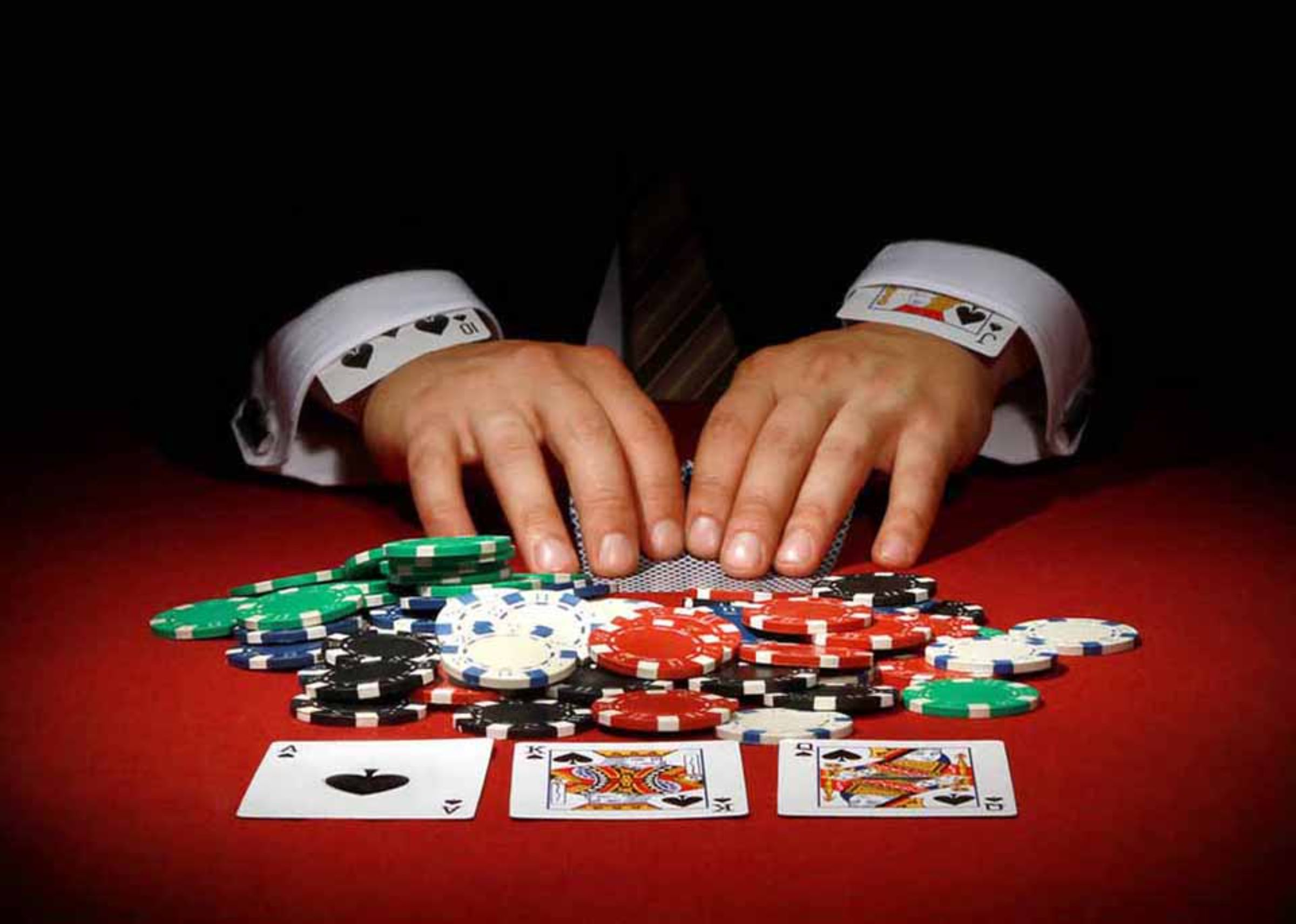
This thrill-seeking behavior is not limited to gambling; it can be seen in various aspects of life, from extreme sports to investment decisions. The chase for an exhilarating experience can lead individuals to engage in risky betting behaviors, often disregarding the negative consequences that may follow. Understanding this psychological inclination is crucial for both gamblers and those looking to support them.
The Role of Cognitive Biases
Cognitive biases play a significant role in how individuals approach gambling. One common bias is the illusion of control, where players believe they can influence outcomes in games of chance. This mindset can lead to a greater propensity for making risky bets, as gamblers may overestimate their skill or knowledge in a particular game.
Another critical cognitive bias is the gambler’s fallacy, where individuals mistakenly believe that past outcomes will affect future results. For example, if a player experiences several losses in a row, they might feel that they are “due” for a win, prompting them to place larger bets in hopes of recouping their losses. These biases can create a dangerous cycle of risk-taking that can be hard to break.
The Impact of Social Factors
Social influences can significantly impact gambling behavior. Peer pressure and social norms can encourage individuals to take risks they might otherwise avoid. In many gambling environments, particularly casinos, the atmosphere is often designed to promote high-stakes betting, reinforcing the idea that risky bets are a normal part of the experience.
Additionally, the social aspects of gambling, such as communal activities and shared experiences, can create a sense of belonging that drives individuals to participate more heavily. The desire to impress peers or fit in can lead to impulsive decisions, pushing individuals towards riskier betting patterns that they might not engage in alone.
The Emotional Rollercoaster
The emotional experience of gambling is multifaceted and can significantly influence risky behavior. Many gamblers experience a mix of excitement, hope, and anxiety, all of which can cloud judgment. High-stakes bets often come with heightened emotions, making it difficult for individuals to think rationally about their choices.
Moreover, the emotional aftermath of gambling can lead to further risky behavior. Winning can boost a player’s confidence, encouraging them to take even bigger risks. Conversely, losing can create a desire to chase losses, leading to an escalation in betting amounts. This emotional rollercoaster can trap gamblers in a cycle of risk that is hard to escape.

Seeking Responsible Gambling Resources
Understanding the psychology behind risky bets in gambling is essential for promoting responsible gambling practices. Many individuals may not recognize the psychological triggers that lead them to make impulsive decisions. Resources and support systems are crucial for helping gamblers manage their behaviors and make informed choices.
Websites and organizations dedicated to gambling education provide valuable information about recognizing harmful patterns and developing healthier habits. By emphasizing awareness and education, these resources aim to mitigate the risks associated with gambling, enabling players to enjoy the experience without falling prey to its psychological pitfalls.